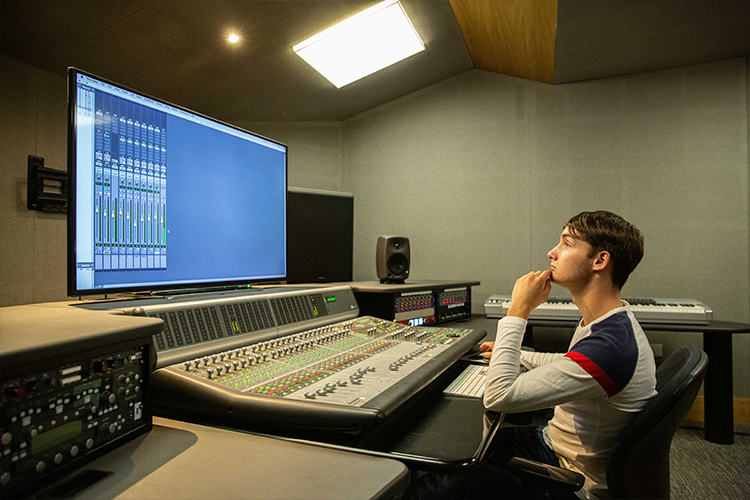
Whatever genres of music you like, you can learn to record and produce them on this course using our state-of-the-art facilities. You will also develop essential transferable skills required by employers in the music industry as well as in other industries, helping you to find work after your studies. The course can lead to careers in the music industry or in the TV and film industries, which has a big presence in the local area (Warner Brother, Elstree, Pinewood).
-
Entry Criteria
4 GCSEs (A*-C/9-4) including English, or a Level 2 Diploma in music. You will be invited to attend a course introduction meeting to learn more about the college and the course.
For students aged 19+ this course is non-funded and requires an Advanced Learner Loan to cover the course fees. Find out more about Advance Learner Loans here. If you have any questions about course fees then please contact our admissions team on 01923 812345
-
What will I study?
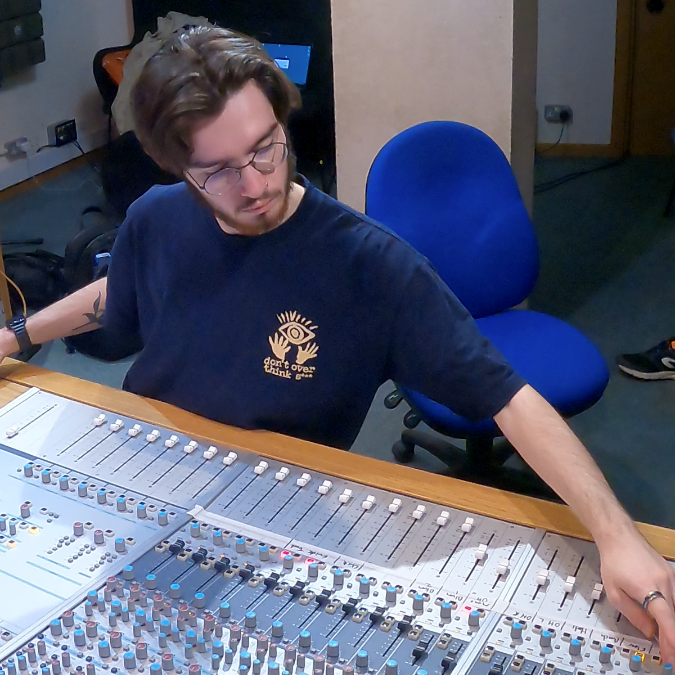
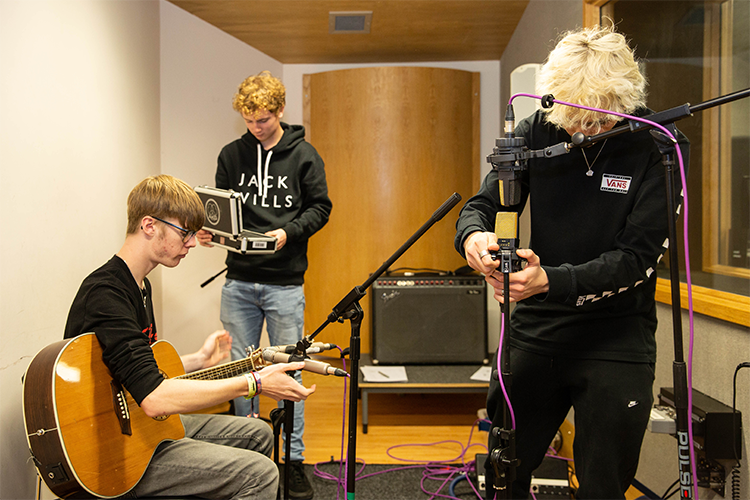
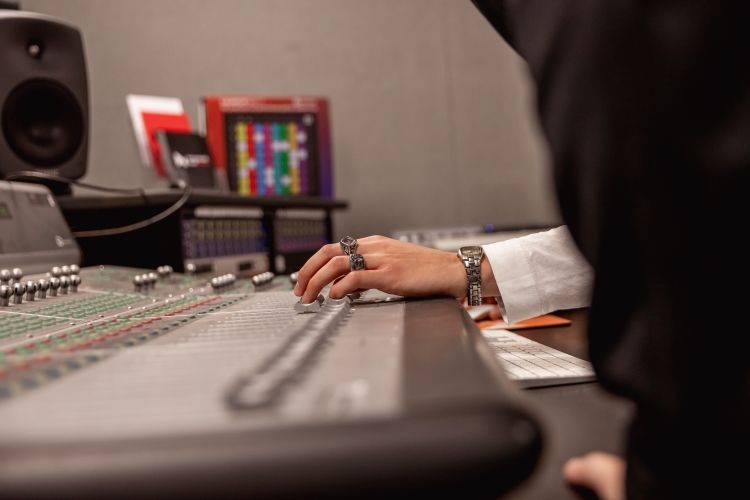
On this course there is a focus on developing the skills you will need using a practical approach by getting hands on with the college equipment under guidance of your tutors’ expertise. The equipment includes our state-of-the-art professional recording studios, MAC suites with logic and three PA systems as well as DJ decks, launch pads and full backline (e.g. drums kits / guitar amps ) for bands. We use industry standard microphones and other equipment.
In year 1, you will learn the basic skills required in all key areas of music production. The four areas covered in the first year are: Studio Recording and Mixing
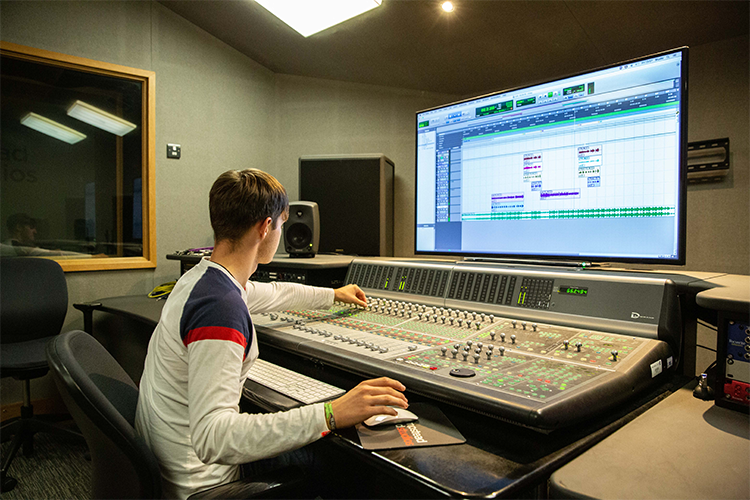
• Learning to use our industry recording studios to record and mix different instruments and artists in different genres to a professional quality. DAW and Sequencing Skills
• Be able to compose and produce tracks using professional production software such as Logic Pro. For example, learn to write tracks from EDM to composing music for TV and film. Live Sound and Events
• Be able to plan and organise live music events and then set up the sound systems for the event before operating the equipment during the performances. For example, this may be a DJ night or for a band. The Music Industry
• Study how technological developments over the decades created the production methods of today. Learn about the challenges and opportunities the industry faces now and in the future.
In year 2 you will take these skills further to develop and complete 2 projects. These include: Personal Project
• Producing a personal project in an area of your choice. You will choose an appropriate career path in the industry and develop your skills in that area before applying them to your personal individual project. The current options include creating an EP in a genre of your choice, or developing skills and work as a live sound engineer for music shows. Collabortive Project
• Working in a group to create a project set by your tutor, fulfilling both creative and project management roles. Current students create a radio show showcasing the music of artists in a genre of your group’s choice, whilst also interviewing the artists about their work.
Transferable skills As well as the music technology skills, these projects allow you to develop transferable and employability skills such as:
• project management skills
• time management skills
• communication
• team working
• leadership skills
• organisational skills
• leadership skills
• self-evaluationMasterclasses During the year there will be access to masterclasses, talks and demonstrations from industry professionals to develop your understanding of how the industry works and how to develop your skills to succeed within the industry.
-
Future Prospects
Some students obtain work in the industry straight from our course, such as for live sound companies, whilst others move on to higher education at university. The project management aspects of the second year of the course prepare our students for work in almost any industry by providing them with the transferable skills employers look for.
Higher Education: At West Herts College we also offer an HND in Music. This is the equivalent to the first two years of a university degree, and students can complete a top-up at a university to achieve a full BA(Hons) degree. Alternatively, they could go straight to university, where courses could specialise in areas such as Live sound, electronic music production or music and sound for TV and film. We help students through the UCAS process.
Jobs within the music / media industries: Jobs include a record producer, a studio engineer; a sound engineer for radio stations or TV programmes; live sound engineers in technical support for live music shows and other large events; freelance location sound engineers/recordists for TV and film. For example, freelance location sound recordists in TV and film, currently earn an average of £407 a day! You could also earn money from writing music or designing sound effects or you could work in music education.
For more information visit the National Careers Service